

Living on Credit: How Everyday Expenses Are Driving American Debt
A 2026 survey of 2,000 U.S. adults with at least $10,000 in unsecured debt on how covering everyday essentials with credit is quietly deepening the debt cycle — and the toll it takes along the way.
Accredited Debt Relief 2026 Everyday Debt Survey
Accredited Debt Relief commissioned independent market research firm Atomik Research to survey 2,000 U.S. adults carrying at least $10,000 in unsecured debt. The findings show how, for many households, credit cards have shifted from a backup for emergencies to a tool for covering everyday essentials — groceries, gas, utilities and rent. Two-thirds have put groceries on credit in the past year, only 28% can comfortably cover their expenses and still save, and just 14% expect to be debt-free within a year at their current pace. Below are the headline numbers, followed by the full breakdown by topic. The statistics are free to cite with attribution — see the note at the end.
Key Debt Statistics From This 2026 Survey
From a 2026 survey of 2,000 U.S. adults with at least $10,000 in unsecured debt, conducted for Accredited Debt Relief by Atomik Research.
- 66%have used a credit card to cover the cost of groceries in the past year
- 42%regularly use a credit card or borrowed money to cover essentials like groceries, gas or utilities
- 33%rely on credit more than they did a year ago
- 29%lean on credit or borrowing every month just to get through a typical month
- 28%can comfortably cover their expenses and still save
- 36%feel their current financial situation is not sustainable long term
- 70%say their debt has increased their stress
- 33%think about their debt or financial situation constantly
- 42%have made progress paying down their debt in the past year
- 14%expect to pay off their debt within a year at their current pace
Survey Methodology
The Accredited Debt Relief 2026 Everyday Debt Survey was conducted by independent market research firm Atomik Research, part of the 4media group, on behalf of Accredited Debt Relief. The survey collected responses from 2,000 U.S. adults carrying at least $10,000 in unsecured debt. Fieldwork took place between May 11 and May 14, 2026.
At a 95% confidence level, a sample of 2,000 responses carries a margin of error of approximately ±2%. Some findings are reported for subgroups, such as those who have used professional help; those figures use smaller samples and should be read as directional.
↓ Download the Full Data Table (CSV)
Everyday Debt, in Charts
A visual tour of the headline findings. Every chart is sourced, branded and free to download and republish with credit — as an image or as a data table.
Groceries, Gas and the Rise of Everyday Debt
For many Americans, credit cards were once reserved for emergencies, big purchases or the security of shopping online. Today they have become a way to cover the basics. Across the survey, the essentials people are most likely to put on credit are exactly the ones that recur every week.
66%
have used a credit card to cover the cost of groceries in the past year — the single most common expense people put on credit.
The Everyday Essentials People Put on Credit
Groceries lead, but the pattern runs across the whole household budget.
- Groceries — 66%
- Gas or transportation — 47%
- Utilities — 45%
- Rent or housing costs — 33%
This is not occasional use. More than four in ten (42%) say they regularly use a credit card or borrowed money to cover essential expenses, and another 29% do so occasionally — meaning roughly 7 in 10 lean on credit for the basics at least some of the time.
How Everyday Spending Turns Into Lasting Debt
Debt rarely arrives in a single moment. For most people it builds quietly, through a mix of ordinary costs and the occasional emergency — and once credit becomes part of the monthly routine, the balance is easy to grow and hard to shrink.

Emergencies still play a role. Roughly one in five (19%) say an unexpected cost like a medical bill or car repair leads them to take on more debt every time it happens, and another 25% say it does so most of the time. When each unplanned expense adds to the balance and there is no cushion to absorb it, the debt compounds.
33%
now rely on credit more than they did a year ago — a sign that what began as a stopgap has become routine.
Getting By, Not Getting Ahead
Breaking the cycle is hardest without a financial cushion, and few people have one. Most describe a situation where the money coming in barely covers the money going out.
That fragility shapes how people feel about the future. More than a third doubt their situation can hold, and many worry about what comes next.
36%
feel their current financial situation is not sustainable long term.
- 25% feel concerned about their financial future, and 12% feel at risk of long-term financial instability.
- 29% rank the cost of everyday living expenses as the single biggest barrier to reducing their debt right now — more than any other factor.
- 19% believe their situation is long-term and expect it to continue, while 41% see it as temporary but expect it to take time.
Making Payments, but Not Always Progress
People are trying. Many are making real headway — but for a large share, monthly payments are keeping the balance in place rather than bringing it down.
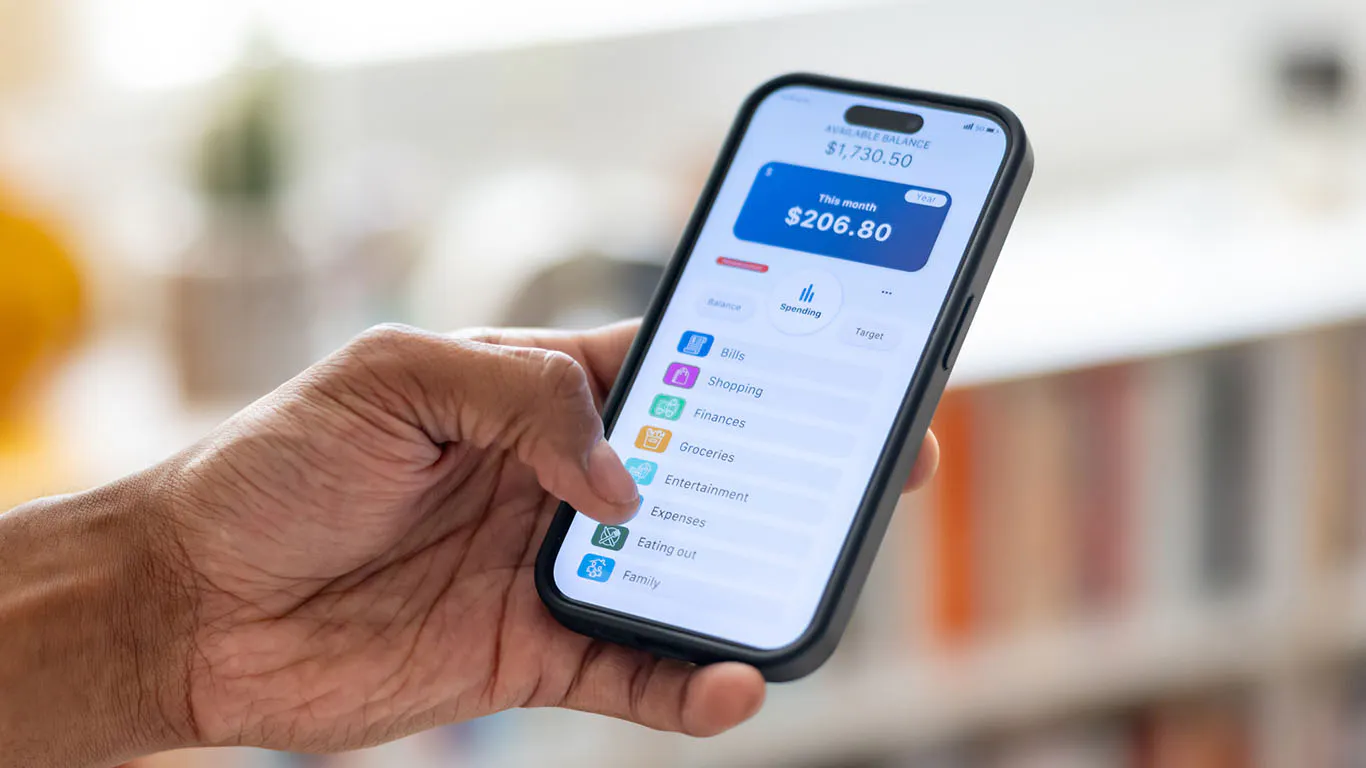
The way people cover their monthly bills tells the same story. Only about a fifth are clearing their balance in full, while just as many can manage only the minimum.
- 22% pay the full balance each month, 22% pay only the minimum, and 8% pay less than the minimum or miss a payment.
- 24% say their balance is decreasing meaningfully, while 21% say it stays about the same and 10% say it is still rising.
- 13% feel their current level of debt is overwhelming, and 22% find it difficult to manage.
14%
expect to pay off their current debt within a year at their current pace — most see a far longer road ahead.
The Daily and Emotional Toll of Debt
Debt does not stay on the balance sheet. It follows people through the day, shaping their stress, their plans and the choices they make — and roughly 7 in 10 say it has weighed on their mental well-being.
70%
say their debt has increased their stress — 31% significantly and 39% somewhat.
Life Plans People Are Putting on Hold
The cost also shows up in the milestones people delay. Rest, security and retirement are the first things to go.
- Taking a vacation — 41%
- Building savings — 40%
- Saving for retirement — 35%
To manage in the meantime, the most common step people have taken in the past year is cutting back on non-essential spending (41%), followed by creating a budget (29%) and talking it through with family or friends (23%).
The Gender Gap in Debt Optimism
Men and women in the survey carry debt in similar numbers, but they feel very differently about it. On nearly every measure of optimism and progress, men report a rosier picture than women.

How Men and Women Differ on Debt and the Financial Future
% of each group
| Measure | Men | Women |
|---|---|---|
| Say their situation is sustainable long term | 53% | 39% |
| Feel secure and optimistic about their financial future | 32% | 22% |
| Can cover expenses and save | 34% | 21% |
| Are actively reducing their debt | 52% | 40% |
| Have made progress paying down debt | 48% | 35% |
| Say their balance is decreasing meaningfully | 29% | 19% |
| Say their income is not enough for basic needs | 15% | 25% |
| Feel their level of debt is overwhelming | 9% | 17% |
Source: Accredited Debt Relief 2026 Everyday Debt Survey (n = 2,000; 1,000 men, 1,000 women).
Whether the gap reflects a real difference in circumstances or in outlook, the takeaway is the same: women in the survey are carrying more of the worry, and are less likely to feel they are getting ahead.
Most People Face Their Debt Alone — but They Don't Have To
For all the strain it creates, most people are facing their debt without professional help. Only 18% have worked with a professional. Far more have never weighed it as an option or would rather handle everything themselves — and that, more than any lack of options, is the real barrier to getting unstuck.
20%
have never considered getting professional help for their debt, and another 18% would rather manage it entirely on their own.
That instinct is understandable. Money is personal, and reaching out can feel like admitting something has gone wrong. But debt rarely gets easier to carry alone, and the longer it goes unaddressed, the more it tends to grow. Needing a hand to get out from under it is not a failing — it is one of the most practical steps a person can take.
Asking for Help Is a Strength, Not a Setback
If you have been carrying this on your own, you are far from alone — and there is nothing to be embarrassed about. Debt builds quietly, through everyday expenses and unexpected costs that would strain anyone. Often the hardest part is simply starting the conversation.
That is exactly what a professional is there for. Talking to someone does not commit you to anything — it is a chance to understand your options and see what is realistically possible for your situation. With Accredited Debt Relief, that first conversation carries no pressure and no obligation. It is a safe place to talk through what you are facing with a real person who listens without judgment, answers your questions and helps you map out a path forward — a human specialist, not an algorithm or a chatbot, whose job is to help you feel less alone with your debt and more in control of it.
Taken together, the data points to a gap in awareness and comfort, not a lack of options. When the fear of judgment is removed, what people want is a real person who will listen. It is why Accredited Debt Relief pairs private, no-pressure ways to start with consultations led by real human specialists, not AI chatbots.
Related Reading
To Escape Credit Card Debt, Many Reach for More Credit

2 in 3 Indebted Americans Pay for Groceries with Credit Even Before the Holidays Hit
Frequently Asked Questions About Everyday Debt
 Are Americans using credit cards for everyday expenses?
Increasingly, yes. 66% of U.S. adults with unsecured debt used a credit card to cover groceries in the past year, 47% used it for gas or transportation, 45% for utilities and 33% for rent or housing, according to the Accredited Debt Relief 2026 Everyday Debt Survey.
How much do people rely on credit to get by?
42% regularly use a credit card or borrowed money to cover essentials like groceries, gas and utilities, and 29% lean on credit or borrowing every month to get through a typical month.
Why is everyday debt increasing?
Debt tends to build through a mix of costs rather than one event: 33% say their balance grew from a mix of major and everyday expenses, and 33% rely on credit more than they did a year ago.
Can most people cover their expenses and still save?
Only 28% say they can comfortably cover their expenses and still save. 45% say their income is enough to get by but not get ahead, and 20% say it is not enough to cover basic needs.
Do people feel their debt is sustainable?
Many do not. 36% feel their current financial situation is not sustainable long term, and 25% feel concerned about their financial future.
Are people making progress paying off their debt?
It is uneven. 42% have made progress paying down their debt, but 34% say it has stayed about the same and 18% say it has increased. Only 14% expect to be debt-free within a year at their current pace.
How are people handling their monthly payments?
22% pay the full balance each month, 22% pay only the minimum, and 8% pay less than the minimum or miss a payment.
How does debt affect mental health?
70% say their debt has increased their stress, 33% think about their debt constantly, and 15% say it affects nearly every decision they make.
What are people giving up because of debt?
The most commonly delayed plans are taking a vacation (41%), building savings (40%) and saving for retirement (35%).
How many people get professional help for their debt?
Only 18% have used professional help to manage their debt, though another 27% have seriously considered it.
How to cite this research. These statistics are free to use and reference with attribution. Please credit the Accredited Debt Relief 2026 Everyday Debt Survey and link to this page so readers can see the full methodology and results.
Accredited Debt Relief 2026 Everyday Debt Survey. Conducted by Atomik Research (part of the 4media group), 2026. https://www.accrediteddebtrelief.com/everyday-debt-survey